Vivai Roma The Complete Guide to the Best Plant Nurseries in the Eternal City


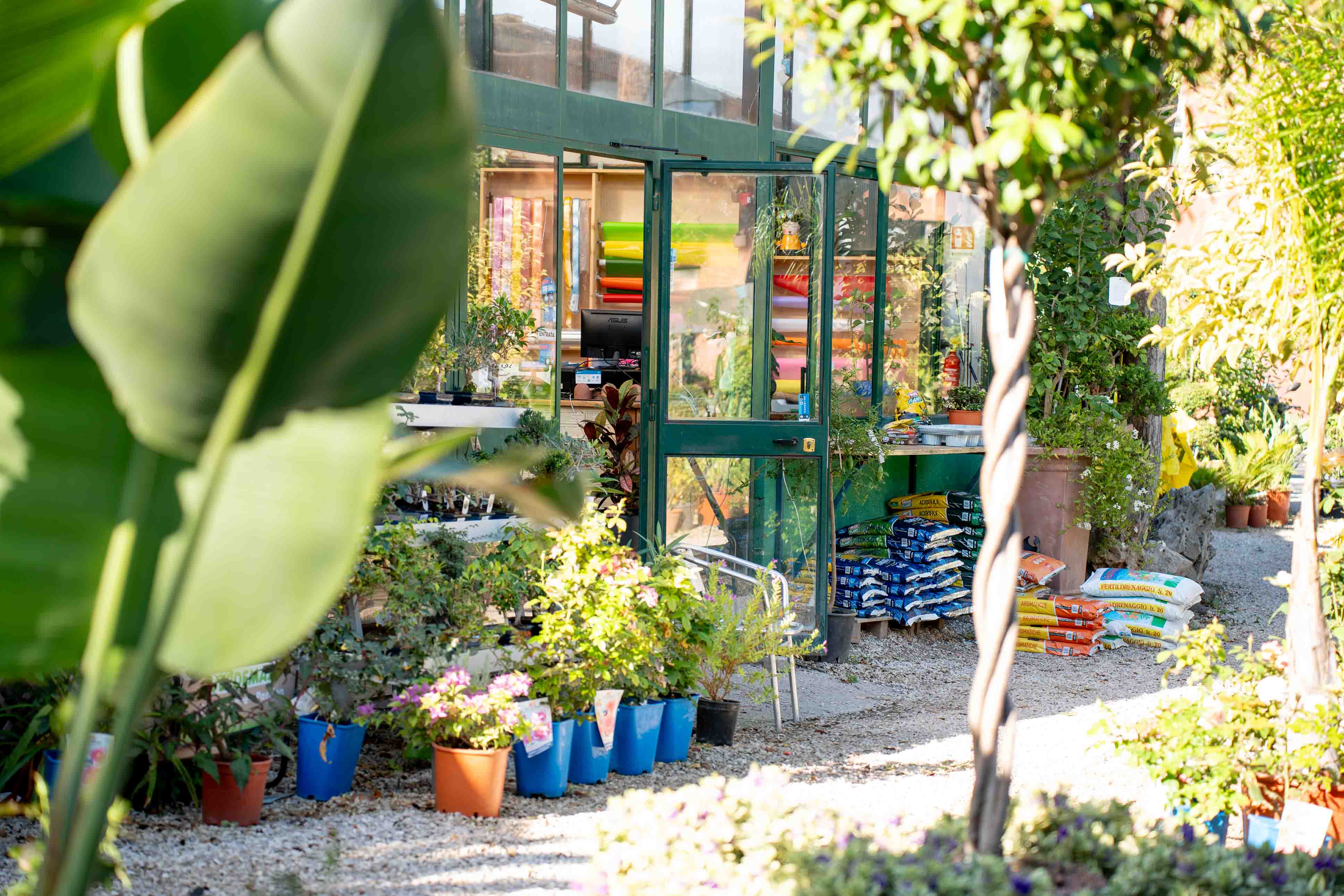
If you are searching for trusted vivai Roma to transform your garden, terrace, or commercial landscape, you are exploring one of Italy’s richest horticultural ecosystems. Rome is not only a city of ancient monuments and timeless beauty—it is also a city deeply rooted in outdoor living, green spaces, and Mediterranean gardening traditions. From small urban balconies to luxury villas and large public parks, vivai Roma play a central role in shaping the city’s green identity. In this detailed guide, you will discover how Roman nurseries operate, what makes them special, how to choose the right one, and how they support sustainable and long-lasting landscapes.
H2: Why Vivai Roma Are Unique in Italy
What sets vivai Roma apart from nurseries in other regions is the unique combination of climate, history, and design culture. Rome enjoys a classic Mediterranean climate with long sunny periods, hot summers, and mild winters. This allows Roman nurseries to cultivate a wide variety of plants that thrive both indoors and outdoors.
In addition, many vivai in Rome are family-owned businesses that have passed down horticultural expertise for generations. This blend of tradition and modern technology results in nurseries that offer not only premium-quality plants but also unmatched knowledge of soil, irrigation, seasonal care, and plant compatibility. Whether you are a beginner or a professional landscaper, vivai Roma provide guidance grounded in real, practical experience.
H2: Types of Vivai Roma You Can Choose From
Not all vivai in Rome serve the same purpose. Understanding the different categories can help you select the one that best suits your needs.
H3: Retail Vivai Roma
Retail vivai are designed for private customers and home gardeners. These nurseries sell flowers, ornamental plants, shrubs, herbs, fruit trees, and seasonal plants. They also provide pots, soil, fertilizers, and gardening tools. Retail vivai focus on customer service and personalized advice.
H3: Wholesale Vivai Roma
Wholesale vivai supply plants in bulk to landscapers, real estate developers, construction companies, and municipal projects. These nurseries are ideal for hotels, residential complexes, public parks, and commercial developments where large quantities of plants are required.
H3: Specialized Vivai Roma
Some Roman vivai focus on specific plant categories such as bonsai, olive trees, citrus plants, palm trees, succulents, native Mediterranean species, or rare botanical collections. These nurseries are highly valued by collectors and professional landscape designers.
H3: Agricultural and Forestry Vivai
These vivai support agriculture, vineyards, olive groves, hedging plants, and reforestation projects. They play a crucial role in Italy’s food production and environmental restoration efforts.
H2: How Vivai Roma Operate
Behind every healthy plant in a vivaio is a structured and carefully managed growing process.
H3: Propagation and Cultivation
Plants in vivai Roma are grown from seeds, cuttings, grafting, and tissue culture. Greenhouses regulate temperature, humidity, and light to encourage uniform growth and strong root systems.
H3: Soil and Fertilization Control
Roman vivai use carefully balanced soil mixtures often enriched with organic compost and volcanic minerals. Plant nutrition is managed through slow-release fertilizers and organic feeding schedules.
H3: Pest and Disease Prevention
Instead of heavy chemical usage, many vivai Roma adopt integrated pest management systems that focus on prevention, biological controls, and continuous health monitoring.
H3: Acclimatization Before Sale
Before plants are sold, they are gradually exposed to open-air conditions to adapt them to sunlight, wind, and temperature variations. This process greatly improves transplant success.
H2: Benefits of Buying from Vivai Roma
Purchasing plants from a professional Roman nursery offers many long-term advantages.
H3: Higher Plant Survival Rate
Plants grown locally are already adapted to Rome’s climate, making them stronger and more resistant to stress.
H3: Professional Guidance
Expert staff provide advice on sunlight exposure, irrigation schedules, pruning, seasonal care, and disease prevention.
H3: Greater Variety and Quality
Vivai Roma offer a much wider selection of plants compared to standard garden shops, including rare and native species.
H3: Long-Term Cost Efficiency
While nursery-grown plants may cost slightly more at first, their durability and low replacement needs make them more economical over time.
H2: Plants Commonly Found in Vivai Roma
Roman nurseries reflect the Mediterranean lifestyle and climate.
H3: Ornamental Plants
Bougainvillea, roses, geraniums, oleander, hibiscus, lavender, and jasmine are staples for terraces and gardens.
H3: Trees
Olive trees, lemon trees, palms, magnolia, cypress, and maple trees are among the most popular selections.
H3: Herbs and Edible Plants
Basil, thyme, rosemary, oregano, sage, chili peppers, tomatoes, zucchini, and lettuce are widely available for home gardening.
H3: Drought-Resistant and Succulent Plants
Agave, aloe, cactus, yucca, and ornamental grasses are increasingly chosen for low-water landscaping.
H2: Vivai Roma and Sustainable Gardening
Sustainability has become a core focus of modern Roman nurseries.
H3: Native Plant Promotion
Native Mediterranean plants require less water, resist local pests better, and support local biodiversity.
H3: Organic Growing Practices
Many vivai in Rome use compost-based soil blends, natural pest control, and chemical-free plant nutrition.
H3: Water-Saving Irrigation
Drip irrigation systems, moisture sensors, and rainwater reuse are encouraged for responsible gardening.
H2: Vivai Roma for Homeowners
For private customers, vivai Roma serve as long-term gardening partners.
H3: Balcony and Terrace Gardening
Urban residents depend on vivai for compact fruit trees, potted flowers, shade plants, and aromatic herbs ideal for small spaces.
H3: Villa and Private Garden Design
Roman nurseries often collaborate with landscape architects to design elegant gardens for countryside homes and historic villas.
H2: Vivai Roma for Commercial and Public Projects
Large-scale landscaping demands precision and consistency.
H3: Hotels and Resorts
Vivai Roma supply palms, flowering borders, hedges, and decorative plants used to enhance outdoor hospitality environments.
H3: Public Parks and Urban Landscaping
Municipal projects rely on wholesale vivai for streetscape greenery, shade trees, and public garden plants.
H3: Real Estate and New Developments
Real estate developers use vivai Roma to create sustainable green infrastructure that increases property value and buyer appeal.
H2: Best Seasons to Buy from Vivai Roma
Timing affects plant success more than many people realize.
H3: Spring
Best for flowers, lawn installation, vegetable gardens, and new decorative planting.
H3: Summer
Ideal for heat-resistant Mediterranean plants and tropical species.
H3: Autumn
Perfect for planting trees and shrubs, as roots establish well before winter.
H3: Winter
Excellent for garden planning, dormant tree planting, and soil preparation.
H2: Common Mistakes to Avoid When Choosing Vivai Roma
Even experienced buyers can make costly mistakes.
H3: Choosing Only by Appearance
Always consider light conditions, watering needs, soil type, and mature plant size.
H3: Overcrowding the Garden
Too many plants in limited space leads to weak growth and disease issues.
H3: Ignoring Long-Term Maintenance
Some plants require regular pruning, fertilization, or pest control that buyers fail to anticipate.
H2: The Digital Growth of Vivai Roma
Modern vivai Roma now offer online catalogs, virtual consultations, home delivery, and digital care guides. Some even provide 3D design previews and customized planting plans, making professional gardening accessible to a wider audience.
H2: Why Vivai Roma Are a Long-Term Investment
Plants from professional vivai Roma enhance property value, improve air quality, reduce urban heat, promote mental well-being, and create relaxing outdoor environments. A carefully planned green space is not just visual decoration—it is a lifestyle upgrade that delivers lasting benefits.
Final Thoughts
Vivai Roma are far more than simple plant sellers—they are guardians of Rome’s green future. vivaio roma Whether you are creating a balcony garden, revamping a private villa, or managing a large commercial landscape project, choosing the right nursery will define the strength, beauty, and longevity of your green space. By relying on local expertise, climate-adapted plants, and sustainable practices, you ensure that your garden thrives naturally for years to come.